

CREATIVITY
EXPERTISE
Big Ideas, Real Impact
Music, education, and care systems designed with integrity, equity, and human development at their core.
ABOUT
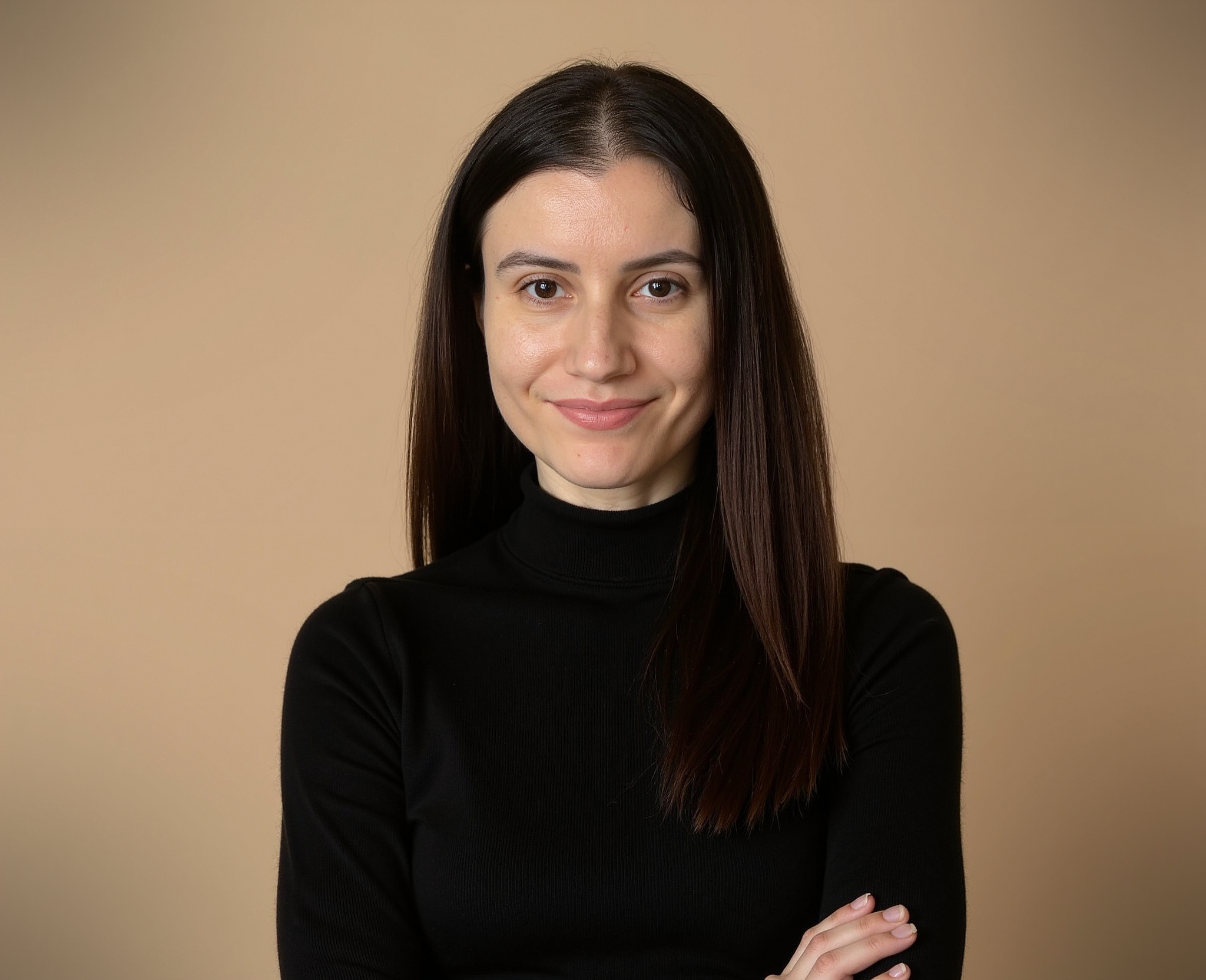
My long-term goal is to help build ethical, child-centered public systems that integrate early education, disability services, maternal support, and healthcare. I aim to work at the intersection of child protection policy, early learning reform, disability justice, and maternal economic equity—designing structures that allow children and caregivers to thrive without fear, isolation, or systemic disadvantage.
This vision is shaped by both lived experience and professional exposure. I grew up in a politically constrained environment where my parents, as public administration workers, could not freely advocate without risking their livelihoods. I learned early how systems can silence families. Later, as a classical musician turned educator and clinician, I witnessed how fragmented structures in the United States similarly leave children and mothers unsupported.
Through my clinical training at Mass Eye and Ear, I observed how medical, educational, and disability systems often operate in isolation, despite families experiencing them simultaneously. Through my work at the Berklee Institute for Accessible Arts Education, I saw how neurodivergent children flourish when learning environments prioritize capability rather than compliance.
These experiences led to the creation of Mini Mozarts—an inclusive, classical music–based program grounded in attunement, emotional intelligence, and child-led learning. Mini Mozarts functions as a proof of concept, demonstrating that ethical early-childhood systems must honor autonomy, compassion, and individual strengths rather than rely on rigid authority or deficit-based models.
As I navigated motherhood without a support network, I also confronted how vulnerable mothers become during the postpartum period—emotionally, financially, and professionally. This led me to develop a second strand of work focused on maternal justice and economic dignity: a community-based learning and skills-exchange model designed to support mothers in maintaining education, agency, and independence during early caregiving years.
My goal is to unify these strands—child-centered education and maternal support—into a single public mission: building ethical systems that protect children, empower caregivers, and address inequity through early, preventative intervention.
Quality Measured by Growth, Not Pressure
·
Education That Builds From What Is Already There
·
Every Child Has Strengths Worth Protecting
·
Quality Measured by Growth, Not Pressure · Education That Builds From What Is Already There · Every Child Has Strengths Worth Protecting ·
Our Educational & Ethical Process
-

Listen Before Teaching
Every learner begins with observation, listening, and attunement. We take time to understand the child, family, or community before introducing structure—honoring emotional state, sensory needs, and individual strengths.
-

Build Trust Through Relationship
Learning happens through safety and connection. We collaborate with children, caregivers, educators, and clinicians to create environments where agency, dignity, and curiosity lead the process.
-

Adapt Responsively
No two learners are the same. The method remains flexible—adjusting pace, modality, and expectations to support neurodivergent, multilingual, and diverse learning profiles without pressure or comparison.
-

Honor Strengths Over Deficits
The focus is on what each child can already do. By building on strengths rather than deficits, learning supports confidence, self-regulation, communication, and long-term growth—without pressure, comparison, or performance demands.
Starting With Strength, Not Deficit

When systems honor children’s strengths, development follows. This vision is rooted in a simple but often overlooked principle: children do not need to be fixed in order to be supported.
Too many educational, clinical, and public systems are built around correction, compliance, and deficit-based assessment. In contrast, this work begins with children’s strengths—their curiosity, creativity, communication styles, and emotional intelligence—as the foundation for learning and development.
When systems are designed to recognize capability rather than deficiency, children experience greater agency, confidence, and long-term wellbeing. Early learning, disability services, and family support can then be understood not as interventions, but as environments that allow children to grow into themselves.
A strengths-based lens is not only ethical; it is essential for building sustainable, humane systems that support children and families over time.
This philosophy is the foundation of the Zlatanova Method and all programs developed within it.
Humanitarian & Community Impact
The belief that children do not need to be fixed in order to be supported has guided my work not only in education and research, but also in sustained humanitarian and community-based initiatives across different cultural and social contexts.
In Skopje, my early humanitarian projects focused on bringing music and the arts to children and adults who were often excluded from formal cultural and educational spaces. These included humanitarian concerts for nursing homes, orphanages, and children with disabilities, as well as arts-based initiatives that used music as a means of dignity, expression, and inclusion rather than performance or remediation. Projects such as With Art, We Will Awaken Humanityand You Don’t Need a Reason to Be Human centered art as a human right and created public space for children with disabilities to be seen for their creativity and presence, not their diagnoses.
In Cambridge and the Greater Boston area, this work has continued through community-based music therapy, arts education, and humanitarian engagement. I have led music therapy workshops at YWCA Cambridge for women who have experienced trauma, facilitated the Music & Mental Health workshop at The Boston Conservatory and Berklee College of Music, and developed music classes for mothers and children at the Renes Shelter, using music as a tool for bonding, emotional regulation, and resilience during periods of instability. I have also supported the YWCA community through meal preparation and delivery, responding to immediate needs alongside longer-term therapeutic and educational work.
Additional community engagement includes serving as a Violin and Viola Demonstrator for the Boston Symphony Orchestra Children’s Series, where classical music is presented not as an elite tradition, but as an accessible and engaging experience for young audiences and families.
Across all of these settings, the goal has remained consistent: to design environments where individuals are met with respect, agency, and possibility. These humanitarian efforts are not separate from my educational philosophy—they are its lived expression.
This work, alongside recognition for artistic and humanitarian contribution, forms the ethical foundation of the Zlatanova Method, reinforcing the belief that sustainable systems must be built on care, cultural awareness, and a deep respect for human development across the lifespan.
Recognition & Awards
This work has been recognized through national and international awards for artistic excellence and humanitarian contribution, including the Feniks Award, received in 2008 and 2013, for outstanding contributions to the arts and community engagement. These recognitions reflect a sustained commitment to using music and education as tools for inclusion, cultural dialogue, and human development.
Curriculum Vitae
One-page academic curriculum vitae summarizing education, leadership, and public service.
Interested in collaboration, ethical research, or consultation?
LET’S GET STARTED
Putting Child-Centered Values Into Action
This vision is not theoretical. It is lived daily through teaching, program design, research, and community-based work.
Across classrooms, studios, and public spaces, my work focuses on creating environments where children are seen as capable, expressive, and whole—regardless of diagnosis, language, or background. Each program and project serves as a small-scale model for what ethical, child-centered systems can look like when strengths lead the way.
This work shows up through:
Inclusive early childhood music programs
Neurodivergent-affirming educational design
Teacher training and professional learning
Community and humanitarian initiatives
Research-informed, ethics-driven practice