

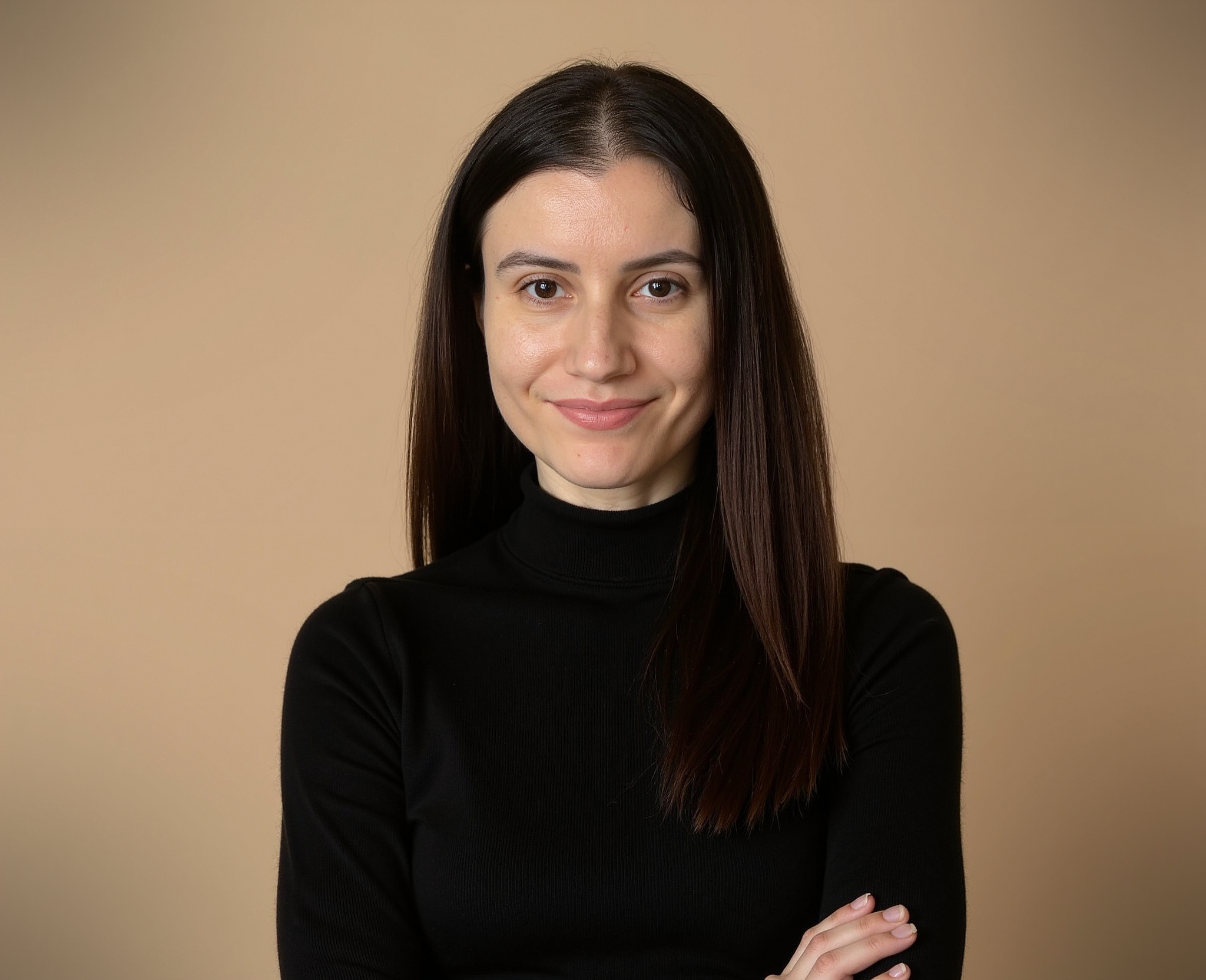
Founder of the Zlatanova Method
Educator • Curriculum Designer • Developing Music Therapist
A journey from performance to public impact:
Performer → Humanitarian → Educator → Clinician-in-Training
Performer
Internationally trained violist with early orchestral appointments and performances across Europe and the United States, shaping a disciplined and globally informed artistic foundation.
Humanitarian
Contributor to cultural and humanitarian initiatives advancing music as a tool for education, equity, and social inclusion across diverse communities.
Educator
Founder of early childhood and inclusive music programs grounded in classical music, creative pedagogy, and child-centered, strengths-based learning.
Clinician-in-Training
Advancing toward music therapy certification, integrating ethical, trauma-informed, and neurodivergent-affirming practice across educational and clinical settings.
Who I Am
-
I was born and raised in former Yugoslavia, where my professional journey in music began early. At sixteen, I received my first international music award and soon after became one of the youngest full-time violists to hold an orchestral position at the National Opera and Ballet. Performing across Europe and internationally shaped my artistic discipline—but it also revealed a deeper question about the role of music in society.
From the beginning, my work extended beyond the stage.
Alongside my performance career, I became involved in humanitarian and cultural initiatives connected to education, inclusion, and social development. Working with children, families, and underserved communities exposed the limitations of traditional, performance-centered models of music education and raised a more fundamental question:
How can music support human development, equity, and ethical learning—rather than prioritize technical achievement or compliance?
This question became the foundation of my transition from performance toward education, strategy, and systems-oriented curriculum design.
I was later awarded a full scholarship and assistantship at Berklee College of Music, where I joined the Institute for Accessible Arts Education. There, I developed and applied strength-based methodologies supporting cognitive, emotional, and communicative development in students with autism and other neurodivergent learners—reinforcing the importance of designing learning environments that recognize capability rather than deficit.
In Cambridge, Massachusetts, I founded Zlatanova Music Studio as a practical extension of this vision. Through classical music–based learning, I work with children and families to support early literacy, mathematical thinking, emotional regulation, and creative expression—centering the individual child rather than standardized outcomes. The studio functions not only as a place of instruction, but as a model for humane, developmentally informed learning systems.
Today, I work as an educator, curriculum designer, and developing music therapist, integrating classical training, creative exploration, and inclusive pedagogy across educational, community, and clinical contexts. I currently teach at Berklee College of Music and continue my clinical training in music therapy, with a focus on ethical, child-centered practice.
-
My work is guided by an ethical framework rooted in responsibility to learners, families, and communities:
These values guide all of my educational, clinical, and community-based work:
Respect for each learner’s individuality and autonomy
Strength-based, non-deficit approaches to development
Use of the arts to foster critical thinking and emotional intelligence
Commitment to accessibility, dignity, and inclusion
Ongoing reflective and ethical teaching practice
I believe education should empower individuals to think, feel, and act independently—not merely adapt to systems designed around compliance. When embedded ethically, music becomes a tool for agency, regulation, and long-term wellbeing.
-
Sofija Zlatanova is the author ofOn Music Education, Psychology and Different Abilities and Calla Lily & Rose: The Watering Can. Her work includes educational writing, community-based initiatives, and research-informed practice focused on inclusive, music-based human development.
Watch Presentation ABLE Assembly Conference Session at Berklee College of Music
-